


The Science Of Vinegar
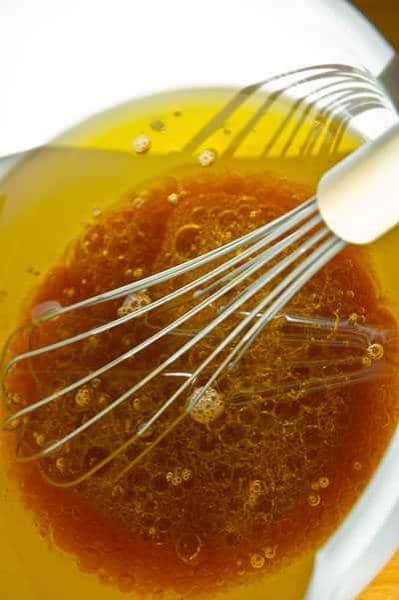
Want to know how vinegar works? What is acidity? What is the difference between distilled white vinegar and white wine vinegar? Read on to find out all about how different vinegars add brightness to food and balance richness and sweetness.
Using the Vents to Control Temperature on Charcoal and Wood Burning Grills and Smokers
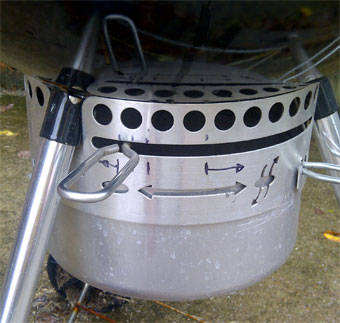
Here’s how to use the two vents to control temperature in a charcoal or wood grill or smoker.
Science Of Sausage Making In Pictures
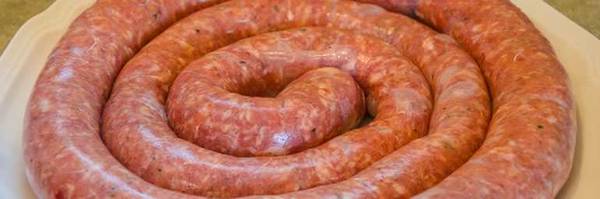
Interested in learning how to make world class sausages at home? There are several tricks that apply to almost all sausages. Here’s a good overview with pictures that will guide you through the entire process for making homemade sausage from scratch.
The Science of Garlic
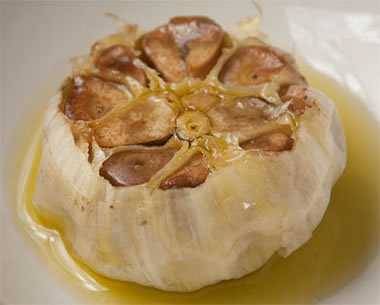
Garlic makes it good! Here’s what a cook needs to know about forms of garlic, including fresh garlic, elephant garlic, garlic chives, and mincing, pressing, and smashing garlic. Find out about dried forms, too, like garlic powder, granulated garlic, and garlic salt, and recipes for making garlic oil and roasted garlic.
The Best Methods For Smoking And Grilling Sausages
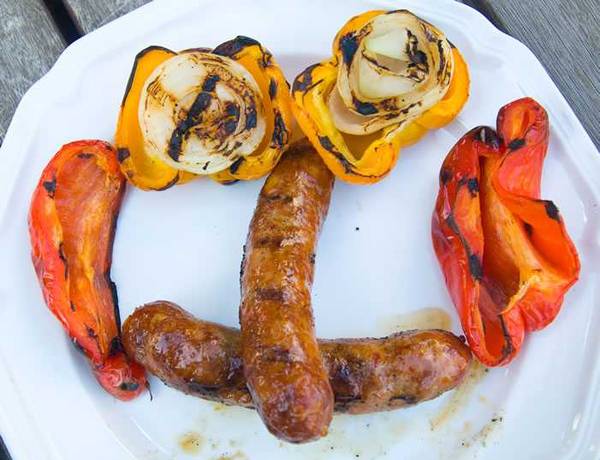
There’s nothing worse than overcooked hot dogs and sausages. Say goodbye to burst casings, burnt, and dry hot dogs and sausages and hello to our tips and technique for grilling and smoking juicy hot dogs and sausages.
Myth: Chicken Is Ready When the Juices Run Clear
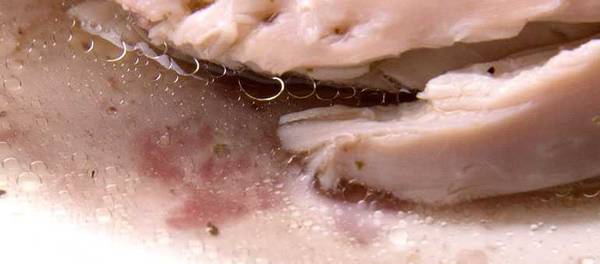
Many recipes say to cook poultry ‘until the juices run clear’. If you do, you could end up overcooking your poultry or spending the night on the toilet. Find out the real science behind pink juices, undercooked chicken, safe doneness temperatures, salmonella, and why the best tool for food safety is a good thermometer.
Does Grilling Cause Cancer?
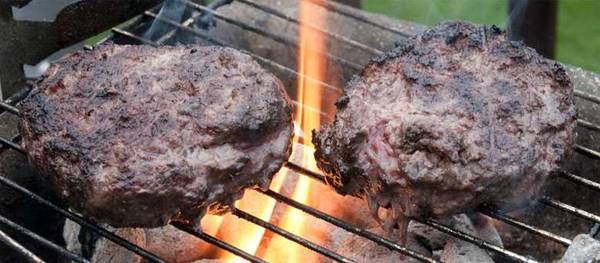
Are you concerned about the healthfulness of grilling? This article answers the question “Is there a cancer risk in grilling meat?” Find out all about HCAs, PAHs, and the general health aspects of consuming smoked and grilled food.
The Science Of Clarified Butter and Ghee
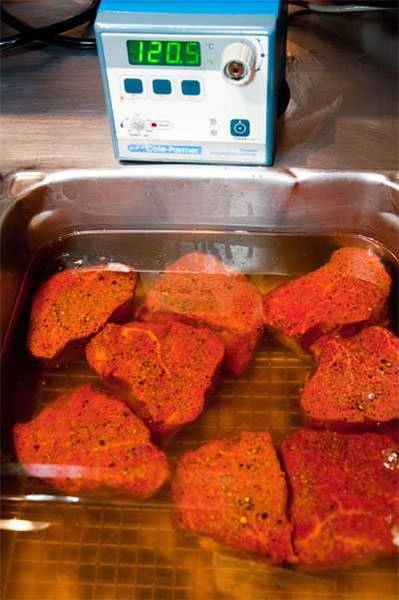
Do you know the difference between clarified butter and ghee? Longer cooking! That’s it. Ghee whiz! Read on to see a recipe for clarified butter and ghee, and why this simple process raises the smoke point so you can fry in clarified butter or ghee and so you can store it at room temperature without it going rancid.
Parmesan Is Really Parmigiano-Reggiano And Why It’s So Great
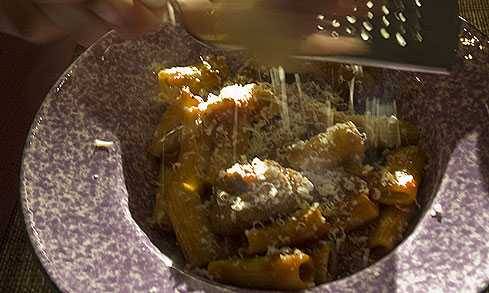
What’s the difference between Parmigiano-Reggiano and Parmesan from a green can? Flavor! Parmigiano-Reggiano is called The King of Cheeses because it tastes amazing. Find out how it is made and aged to develop its “umami flavor,” and how to buy, store, serve, and cook with it. Even what to with leftover Parmesan rinds!
The Science Of Curing Meats Safely
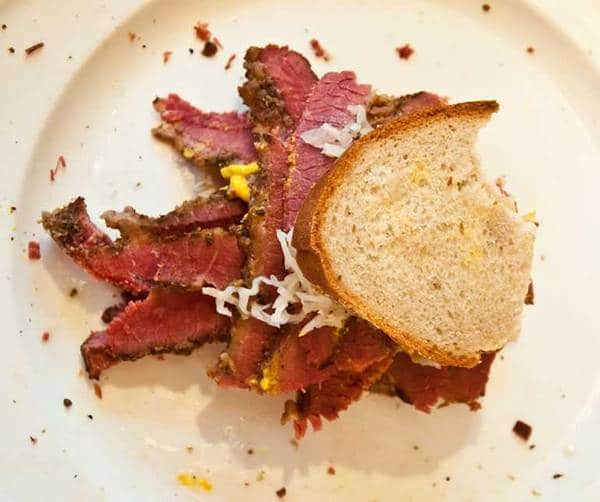
Curing meat is not like any other recipe. You must be pretty precise about some ingredients.
How to Set Up and Modify Offset Smokers And Barrel Smokers
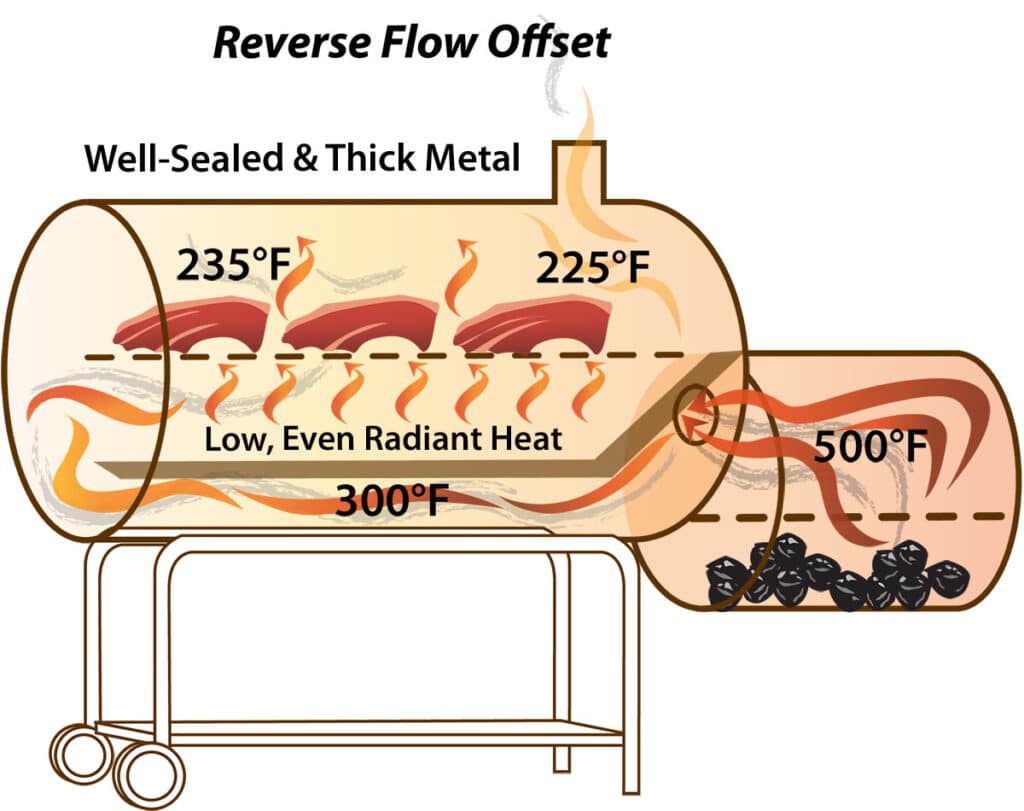
Find out how to setup and modify inexpensive offset smokers such as the Brinkmann Pitmaster, Brinkmann Smoke’N Pit Professional (a.k.a. SNPP), and Char-Broil Silver Smoker to get the best possible BBQ with the least possible expense.
Myth: The Bones Make The Meat Better
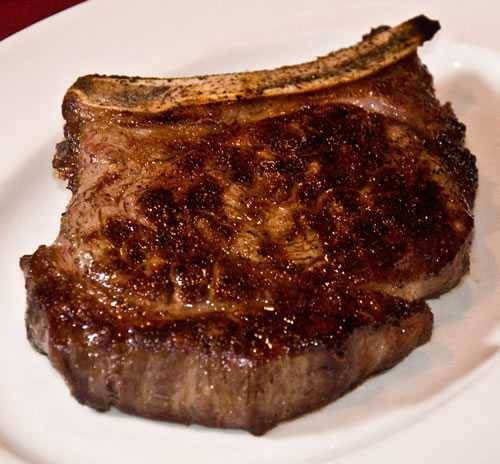
“Tender at the bone” is a common phrase in cooking. It leads many cooks to believe that bone-in meat tastes better than boneless meat. Is it true? Do bones add flavor to meat or somehow make meat more tender near the bone? We have the answers, and they may surprise you.
How to Remove the Membrane from Ribs: Skin & Trim ‘Em

Removing the paper-thin membrane from the bone side of ribs prior to smoking ensures that the ribs come out as tender as possible without guests having to gnaw through the membrane’s tough texture. This how-to guide features step by step photos for trimming a slab of ribs and removing the membrane.
The Science Of Vinaigrettes And The Magic Of Emulsifiers And Surfactants
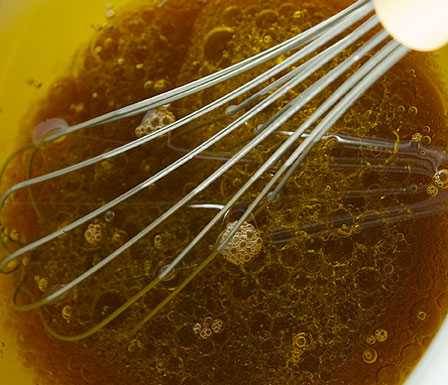
Vinaigrettes are dressings made with vinegar and oil as a base. You can force them to get along with an emulsifier like mustard or mayonnaise. Here’s the science of how it works.
Myth: A Melting Fat Cap Penetrates Meat

The fat on the outside of meat does not melt and penetrate the muscle fibers making the meat moister. That is a myth. Here’s the science on different types of fat, what happens as fat heats and melts, and the best way to trim meats before cooking to create the most delicious browned bark or crust.