
Makes
About 2/3 cup (634.1 ml)Ingredients

Method
- Measure everything and dump it into a blender; see "Measuring" note about the bay leaves. Put the lid on the blender (very important), and run it on medium for a few seconds, turn it off, and run it again. Continue pulsing about until you have a powder. Dump the whole thing in a jar and label it.
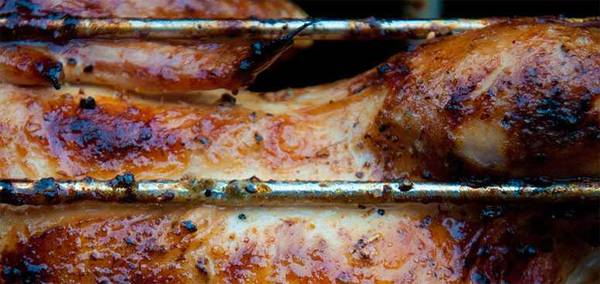
- How to use this stuff. If the food has not been been brined, then sprinkle with salt, ½ teaspoon per pound. If it has been brined, then skip the salt. Lightly coat your chicken or potatoes or asparagus or whatever with water (the ingredients dissolve better in water than oil), sprinkle on the rub liberally, even if you are a conservative. If time permits, let the seasoned meat sit in the fridge for an hour or three.
- Grill, smoke, or roast.
Notes
Where's the salt? I have left the salt out of this recipe. Read why in my article on the Science of Rubs.
About the salt. Remember, Morton's coarse kosher salt is half the concentration of table salt so if you use table salt, use half as much. Click here to read more about salt and how it works.
Measuring. Measuring the ingredients is a bit tricky since some of the herb leaves may be powdered, not crushed. The big chunks, like oregano, have more air in them, so try to compensate by adding more or less depending on how much air in your raw materials. If your measurements are not precise or if you lack one or two ingredients, no wars will break out, but I think the sage, bay leaf, and rosemary are essential. Crushed bay leaf may be hard to find so you can use whole bay leaves. Just take about 10 leaves and crumble them in your hand, measure the crumbled amount and add more if necessary. The pepper will add a little heat, but not much, but you can cut it out if you're a wimp or amp it up if you're a tough guy.
Optional. At one time I had included 1 tablespoon dried crushed hot red pepper (cayenne or chipotle) in this recipe. I have removed it because I decided I like the recipe better without the heat. If you want a capsaicin jolt, go for it.
About the salt. Remember, Morton's coarse kosher salt is half the concentration of table salt so if you use table salt, use half as much. Click here to read more about salt and how it works.
Measuring. Measuring the ingredients is a bit tricky since some of the herb leaves may be powdered, not crushed. The big chunks, like oregano, have more air in them, so try to compensate by adding more or less depending on how much air in your raw materials. If your measurements are not precise or if you lack one or two ingredients, no wars will break out, but I think the sage, bay leaf, and rosemary are essential. Crushed bay leaf may be hard to find so you can use whole bay leaves. Just take about 10 leaves and crumble them in your hand, measure the crumbled amount and add more if necessary. The pepper will add a little heat, but not much, but you can cut it out if you're a wimp or amp it up if you're a tough guy.
Optional. At one time I had included 1 tablespoon dried crushed hot red pepper (cayenne or chipotle) in this recipe. I have removed it because I decided I like the recipe better without the heat. If you want a capsaicin jolt, go for it.