

Take beef ribs, brisket, steak, and other cuts over the top with this easy beef dry rub recipe.
In Texas many barbecue joints use just plain old salt and pepper, called Dalmatian rub. But beef brisket and BBQ beef ribs can handle, and benefit from, a more potent mix. Our beef dry rub recipe creates a rich, flavorful, crunchy crust, called the bark or Mrs. Brown.
Beef rub for brisket, beef ribs, steak, and other cuts is different than pork rub. Pork loves sweetness, but beef does not. The best pork rubs have of more sugar in them, like Meathead’s Memphis Dust. Black pepper, on the other hand, works great when seasoning beef.
You can make this barbecue dry rub recipe days or weeks in advance. It makes more than you need even when used as a brisket dry rub, so you can just put any extra in to a clean jar or zipper bag for use at a later date.
Using the Rub
Since there is no salt in this recipe, (click here to read why our rub recipes do not have salt), salting the meat first is a must. This process is called dry brining. Salt will penetrate deep into meat so you should get it on in advance, perhaps overnight. The rest of the spices and herbs cannot penetrate very deep, so the rub can go on anytime, even just before you start cooking. The general rule of thumb is 1/2 teaspoon Morton Coarse Kosher Salt per pound/453.6 grams of meat (don’t include bone, and ribs are about half bone).
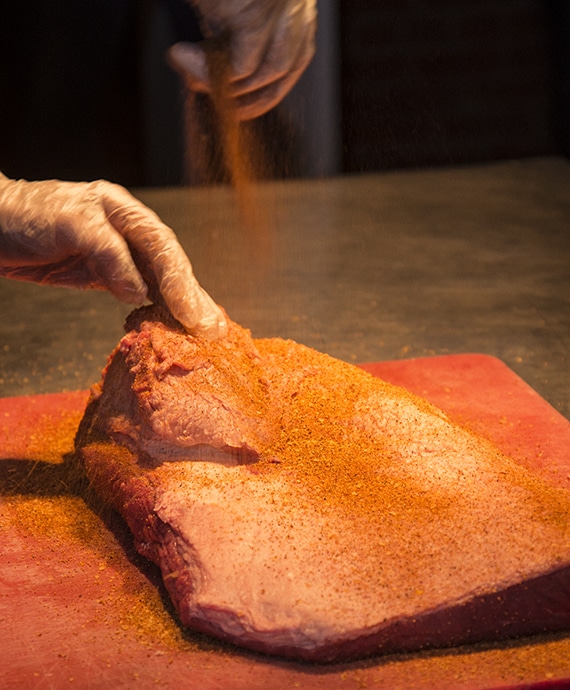
With this beef dry rub recipe, you can apply it in advance (some people like to apply it the night before), but the fact is, most molecules in the rub are too large to penetrate more than a fraction of an inch, just like marinades. And they don’t have the electrical properties that salt has. The rub is mostly a surface treatment for flavor and bark. So you can apply the rub just before cooking if you wish. Moisture and oils will mix with the spices and herbs, heat will work its magic on them, and all will be wonderful. I like to lightly wet the surface with water before the rub because many of the flavors in the rub are water soluble. Spread the rub generously on beef brisket, not so thick on other, thinner cuts.
Also, be aware that the drippings from a salted meat for use in a gravy or jus will probably not need salting, so be sure to taste before you add salt. Remember, you can always add salt, but you can’t take it away.

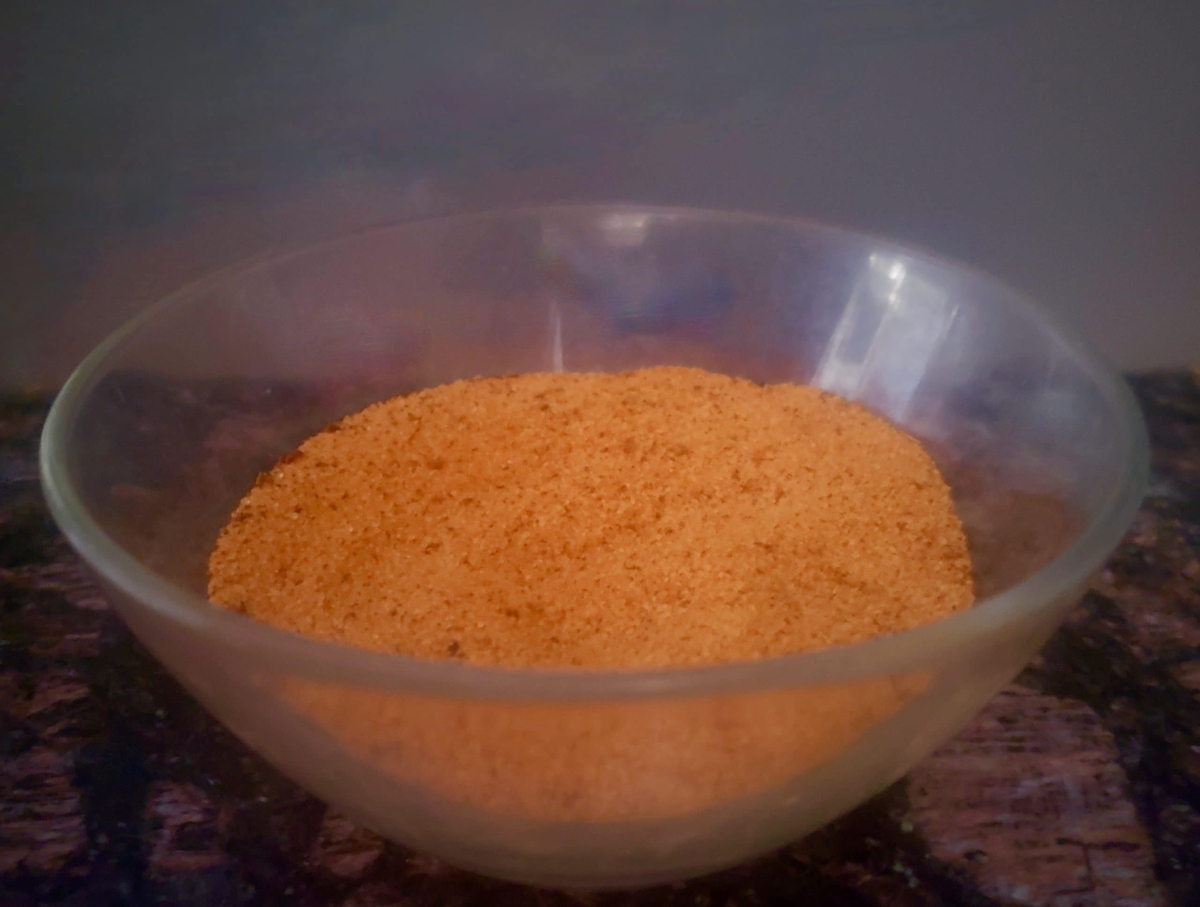
Big Bad Beef Rub Recipe
Rate this RecipeMakes
About 1/2 cup/75.7 gramsIngredients

Method
- Prep. Mix the ingredients together in a bowl.
- If your meat has not been pre-salted, shoot for about 1/2 teaspoon of Morton Coarse Kosher Salt per pound (453.6 grams) of meat and apply it heavier on thick spots. When possible, apply the salt the day before, but even an hour or two is enough to get it moving inward, and the AmazingRibs.com science advisor Prof. Greg Blonder has shown that when the meat heats, the salt moves deeper and faster. Click here to read more about this process, called dry-brining.
- Using the rub. Use this rub on burgers, beef ribs, or on brisket like in this video.
- Storing the rub. If you are not using it immediately, store the rub in a tightly sealed bottle in a dark place. It will slowly start to decline in quality but should be fine up to a year later. Taste it first.