


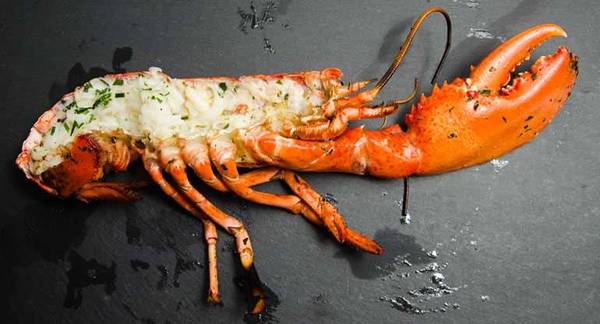
When I was in high school in Florida I spent hours catching crabs with fish heads on the Intracoastal Waterway and India River off Merritt Island. At parties I popped shrimp like M&Ms. I spent a summer in Maine feasting on lobster. And then one day, after a fabulous restaurant meal of soft shell crabs, my favorite food on the planet, my throat started to constrict. A few weeks later I had more softshells and it happened again, accompanied by hives this time. I was allergic to crustaceans, the ocean bugs. Fortunately, I could still eat fin fish, clams, mussels, scallops, and squid.
Shrimp, crab, crawfish, and lobster have exoskeletons, which is to say their shells behave like bones for structural support. According to the Mayo Clinic, the symptoms of a shellfish allergy include itching, hives, tingling in the mouth, and even difficulty breathing called anaphylaxis. In some cases, it can be fatal. The reaction seems to be occur when Immunoglobulin E (IgE) antibodies in the blood come into contact with certain proteins in the crustaceans, probably tropomysin. I can’t even breath the vapors when I cook shrimp. It was thought for years that there was a relationship between iodine in the shellfish and antibodies, but this has been disproven. Like me, many people don’t develop the allergy until later in life. When I learned I couldn’t eat softshells anymore, I contemplated suicide, but I have just learned to live on fin fish and bivalves. Sigh.