



The Science of Shrimp
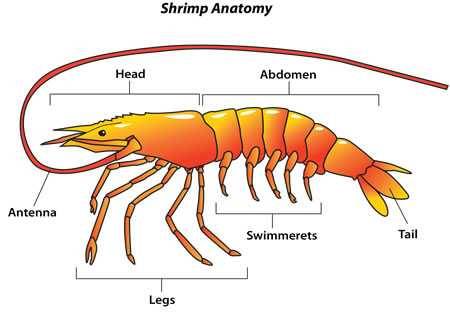
Understanding labeling of shrimp, shrimp sizes, and how to buy, and clean shrimp.
Marinade Myths And How To Add Flavor More Effectively
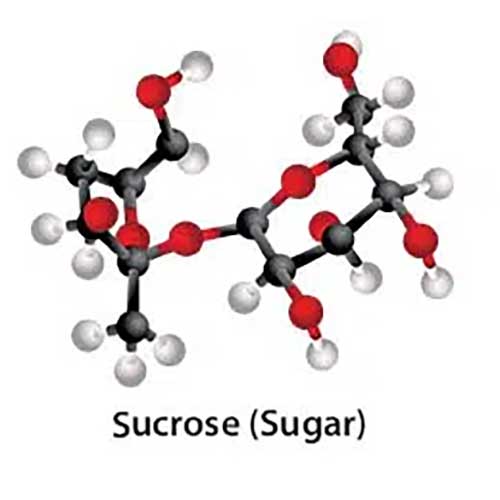
Marinades work on some foods but not on others. A good marinade contains certain ingredients but not others. Here’s the truth about marinades and brinerades.
The Science Of Balsamic Vinegar: Magnificence And Deception
Confused about balsamic vinegar? Why does one bottle cost $5 and another $500? Read about the three main classifications: Tradizionale, Condimento, and Balsamic Vinegar di Modena. Find out how they are made, trade associations and labeling criteria, how to make balsamic syrup, and all about white balsamic vinegar.
Myth: You Can Tell Doneness By Cutting Meat To Check The Color
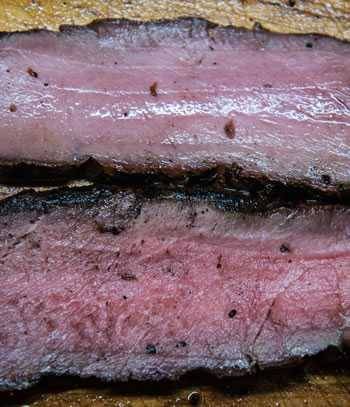
Is meat color an accurate indicator of doneness? A lot of cooks cut into meat and judge doneness by the meat color. But the color of meat changes when it is exposed to oxygen. The only reliable way to judge doneness is with a good digital thermometer. Here’s everything you need to know about meat color and doneness.
When To Put A Lid On It
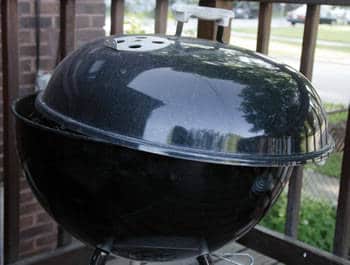
Lid up or lid down? It’s a question that comes up on the patio as often as it does in the bathroom. Answer: it depends. Sometimes you want to cook with the grill lid on, and sometimes you want it wide open. Read on to find out why.
The Science Of Yeast
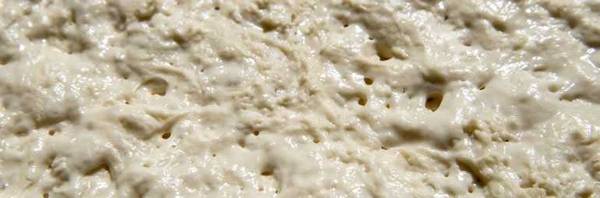
There’s yeast for baking, for brewing, for making wine, and for nutrition. Read on to learn more about the type used most often in cooking: baker’s yeast. Find some good tips for buying, storing and using active dry yeast, instant yeast (quick rise yeast), fresh yeast (cake yeast), and wild yeast (sourdough yeast).
Myth: Soak Your Wood First
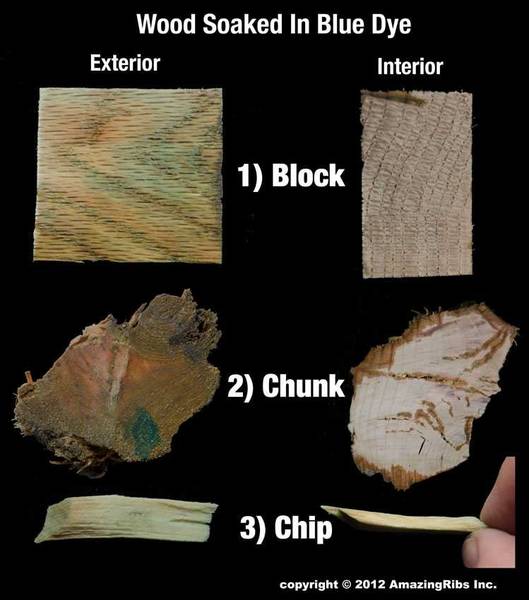
There is no need to soak wood before cooking with it. Water doesn’t penetrate wood. That’s why they make boats from it! Discover the science behind wood combustion, smoke, and the best way to use chips, chunks and logs for smoking and grilling with wood.
Is Corn Syrup Bad for You?
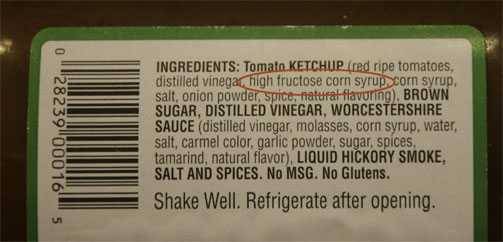
Get the facts about corn syrup and health. There are many types of corn syrups and they have been the subject of much debate in discussions of food and health. Here is the truth.
Cooking Time – What Influences It?

Why are exact cooking times so hard to predict? Because the actual time it takes meats and other barbecued foods to reach a certain level of doneness depends on many variables such as the weather, the cooking method, the type of meat, meat thickness, humidity in the cooker, and the accuracy of your thermometer.
The Science of Potatoes
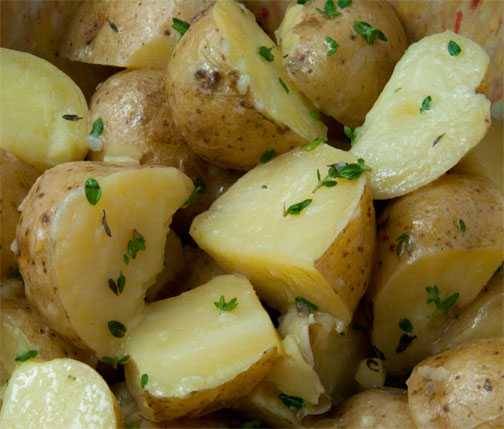
What’s up with spuds? Here’s everything a cook needs to know about buying potatoes, storing potatoes, and cleaning potatoes.
How To Use Drip Pans And Water Pans In Your Smoker Or Grill
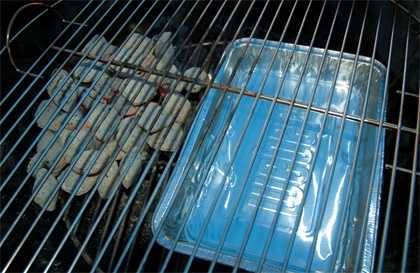
What is the difference between a drip pan and a water pan? And why do I need some humidity when I make barbecue in the first place? Find out here along with tips on indirect grilling and an answer to the question: What should I put in my water pan on my grill or smoker? Hint: It’s not wine, beer, or juice.
The Texas Crutch: Wrap In Foil Or Butcher Paper To Tenderize And Speed Cooking
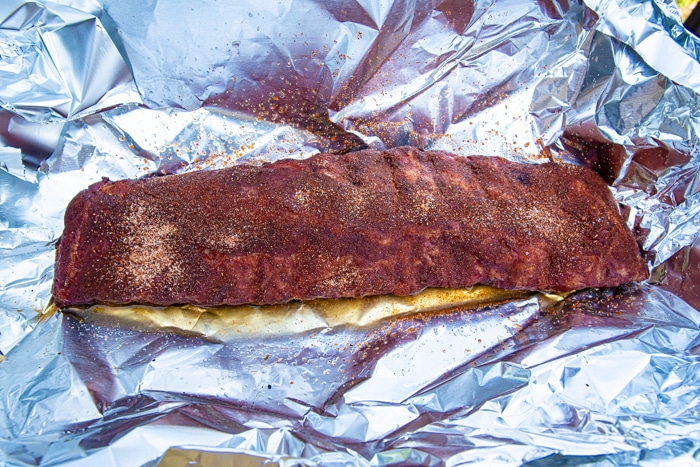
Here’s a useful technique for tenderizing, moisturizing, and speeding cooking by wrapping meat in aluminum foil for an hour or two. The Texas crutch beats the stall, in which meat stops cooking during barbecuing, sometimes for hours. This simple trick works for brisket, pork shoulder and ribs on any smoker or grill.
Beware Of The “Lasagna Cell”: The Danger Of Food And Metals
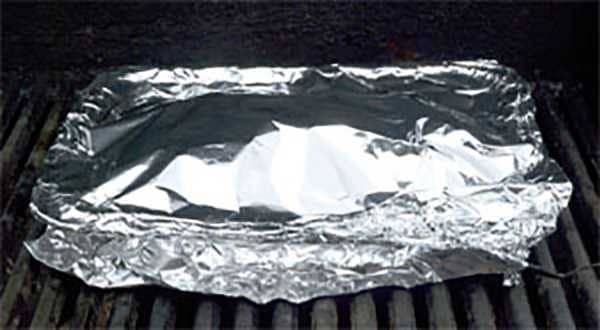
My foil-wrapped lasagna has holes in the foil: what’s going on here? Some chemicals in foods react badly with certain metals and can even create toxins. Here’s what you need to know about reactive and corrosive metals, how your lasagna can create a sort of electric battery cell, and how to avoid this problem.
The Science Of Pizza On The Grill
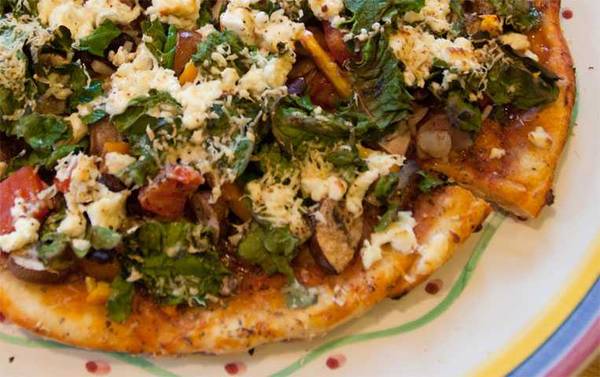
Grilled pizza is closer to brick oven pizza like you get in Italy or France than anything you can do indoors. A great pizza is incredibly easy to make from scratch at home, even the dough, and once you try it you’ll never want delivery pizza again. Here are the secrets to making and grilling a perfect pizza at home.
Mythbusting: Basting, Mopping, And Spritzing
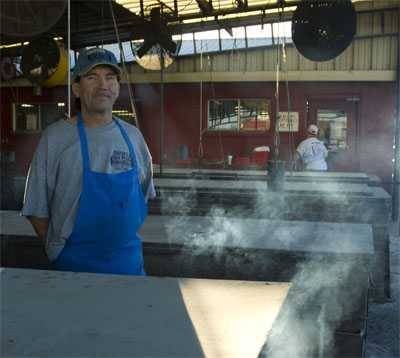
There are times when basting helps and times when it hurts. Find out how applying liquid to the surface of meat with basting, mopping and spritzing may inhibit the formation of your crust or bark and lengthen cooking time while attracting smoke and improving flavor. It depends on what you’re cooking and for how long.