



Myth: Stabbing Meat with a Thermometer, Fork, or Knife Will Drain it of Vital Juices
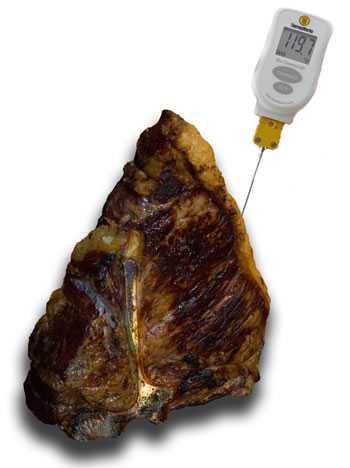
Does poking meat drain way all its juices? No. A piece of meat is not a water balloon. If you test it with a thermometer, all its juices will not drain away. In fact, using a thermometer is the only sure-fire way to judge the internal doneness temperature of meat. Find out why in this mythbusting article.
The Science of Chocolate
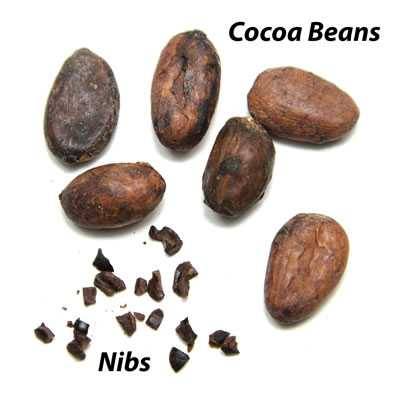
Here’s what you need to know about cacao pods, cocoa powder, cocoa butter, chocolate liquor, and how chocolate is made, including the different types of chocolate, how to melt chocolate, and how to cook with it.
The Science of Mustards

Not all mustards are the same. Here’s what differentiates Dijon mustard from yellow ballpark mustard from stone ground mustard from mustard seeds and dry mustard powder. Find out how they are made and how to use them in cooking. Mustard and pork go together like peanut butter and jelly!
Cooking On Salt Blocks
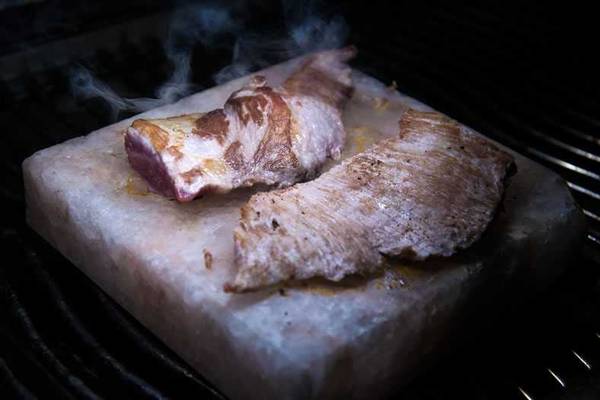
Cooking on a salt block amps up flavor and makes a great presentation. You can put the salt block right on your grill, heat it up, and then cook on the salt block like a griddle. You can also bring a hot salt block to the table and sear meats tableside! Here’s everything you need to know about cooking on salt blocks.
The Science of Beef Ribs
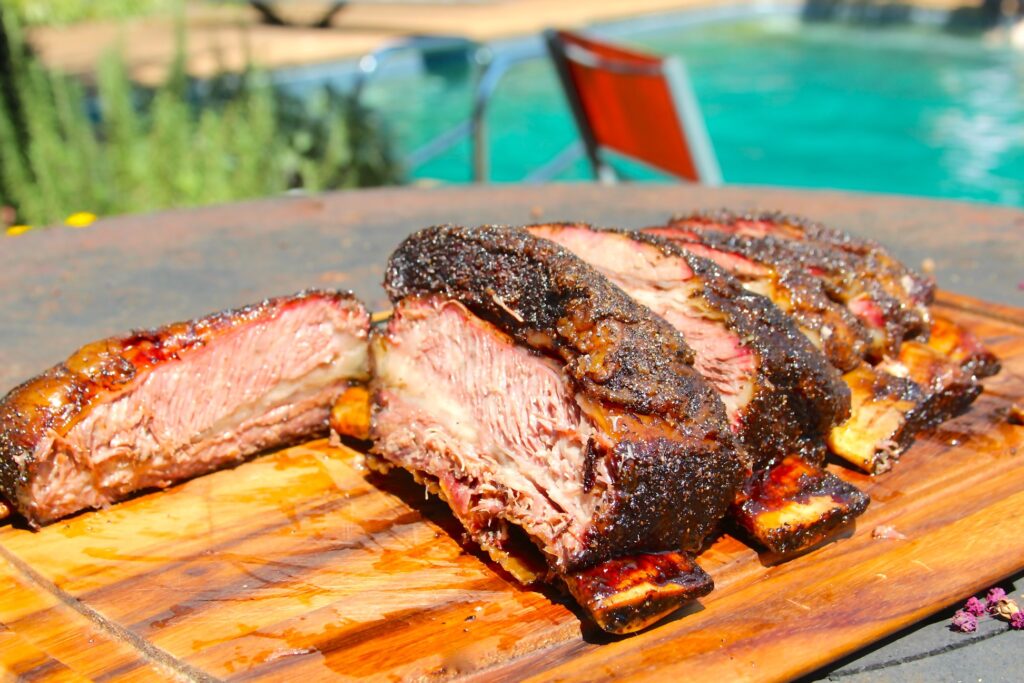
There are several subsections and cuts from the ribs: Back ribs, ribeyes, short ribs, English cut, flanken cut ribs, riblets, boneless short ribs.
How to Smoke Turkey on a Charcoal Grill
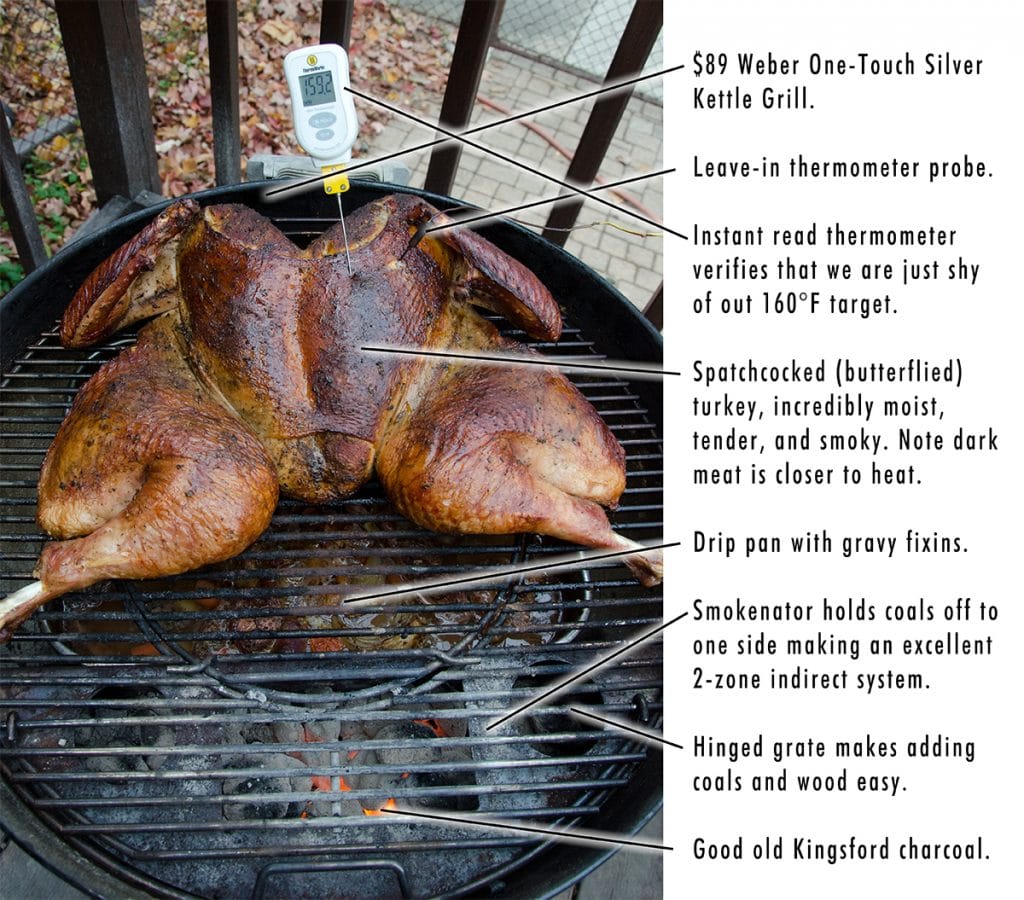
Turkey is probably the most difficult meat to cook because you need to cook it to a higher temp than almost any other meat to make it safe, and if you overshoot by as little as 5°F, you go from juicy and giving thanks, to cardboard. Here’s how to set up your charcoal grill for smoking an amazing turkey.
How To Make A Cured Smoked Ham From Scratch
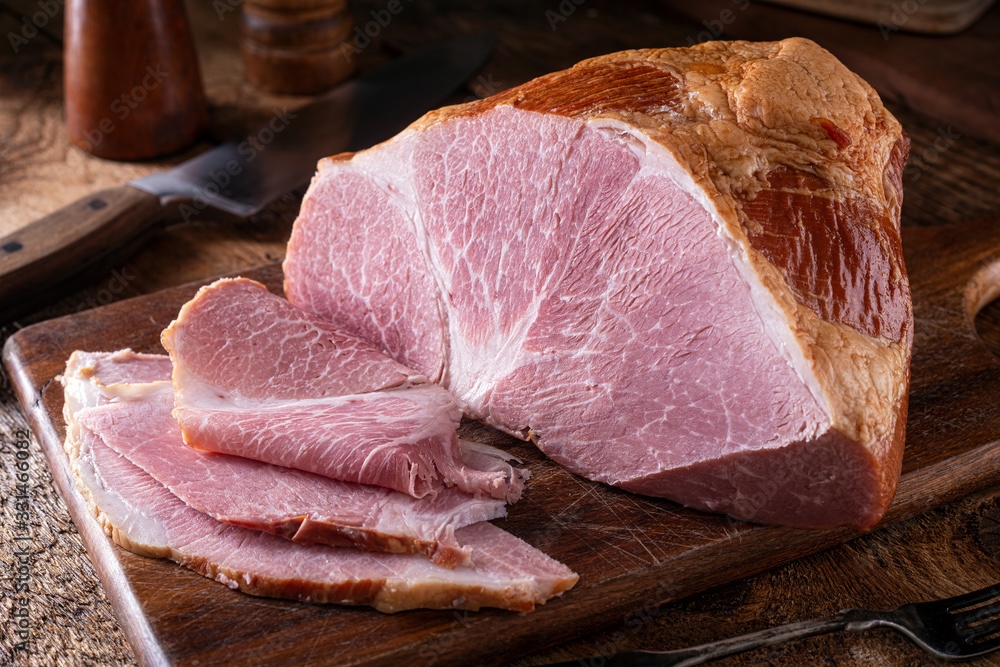
Create a smoked ham at home that will put any store-bought ham to shame thanks to this simple, yet flavor packed recipe. The key to creating a ham like the ones you normally purchase during the holidays is the curing process. Without it you won’t achieve the same flavor or deep red color of a traditional holiday ham.
The Science of Herbs & Spices

Here is everything a cook needs to know about herbs and spices as well as a list of essential herbs and spices to buy, how to store them, substituting dried for fresh, substituting one herb or spice for another, toasting spices, blooming spices, and other preparations that get the most flavor out of them.
The Science of Soup, Stock, Gravy, and Bouillon
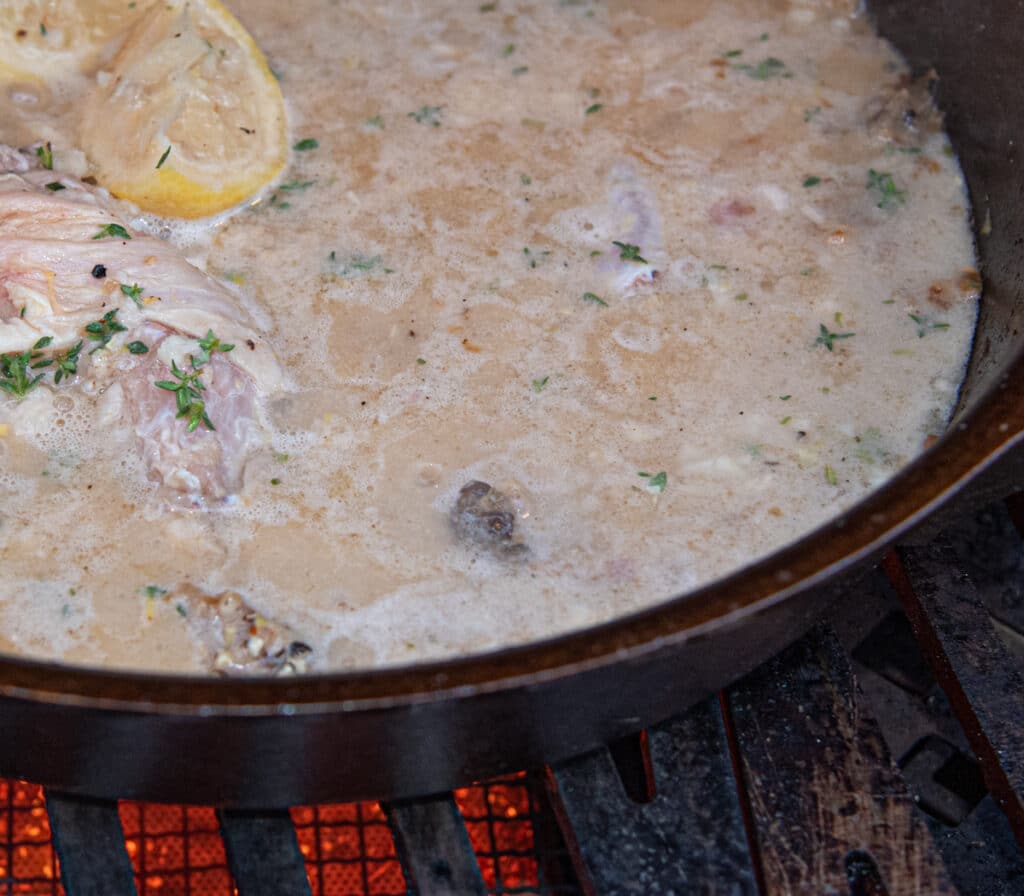
Where do you draw the line between soup and sauce? Read all about the basics of and differences between soup, sauce, stock, broth, gravy, pan sauce, and many more.
Resting Meat: Why I Think It Is A Mistake, And Why I think Holding Some Meat Is A Good Idea
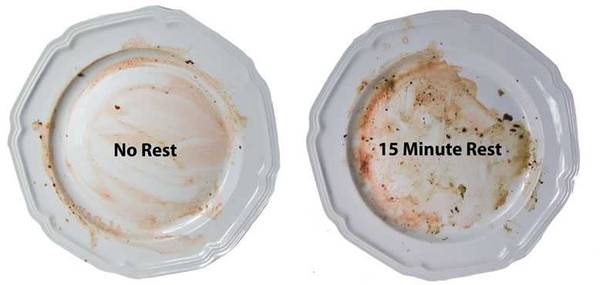
Stop worrying about resting meat after it is cooked. Serve it hot. We bust this myth with a review of the scientific research, some tests of our own, some basic meat science, explanations of carryover cooking and what makes meat juicy, a look at doneness temperatures, and how carving comes into play.
The Science Of Pickles
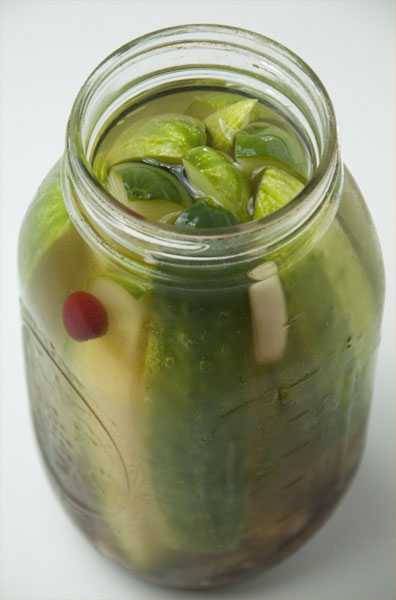
What is the difference between Kosher Dill and Genuine Dill pickles? Here’s your guide to everything you need to know about fermented pickles, refrigerator pickles, quick pickles, pickling liquids, pickling spices, gherkins, bread and butter pickles, half sours, and other pickled foods besides cucumbers.
Myth: Searing Steaks Seals In The Juices
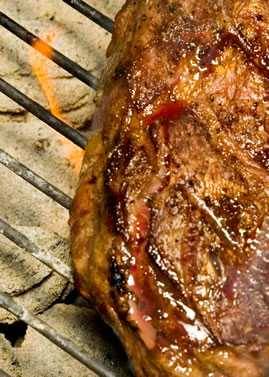
Sorry folks: searing meat to seal in the juices is a myth. Of course, searing meat has other benefits, most notably creating the delicious flavors of browned meat! Here are the facts about meat juices, searing, browning, and a better way to sear your meat called the reverse sear.
How To Make Caramelized Onions
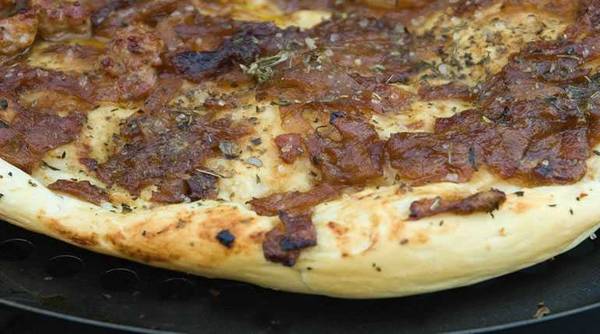
Here’s our simple recipe for the best way to make sweet caramelized onions for pizza and other dishes.
How to Grill and Smoke in Cold Weather
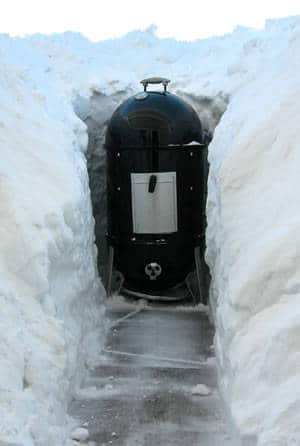
Learn some nifty tricks for insulating and protecting your cooker so you can beat the cold, rain, snow, and wind. These handy tips will keep you grilling and smoking successfully on any cooker, at any time, in any weather.
How to Make Safe Burgers
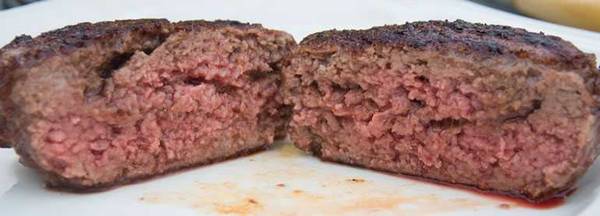
Undercooked ground meat and sausage can kill. Here’s how to make great tasting burgers that are safe.