

If we’re going to respect the animal and use everything from nose to tail, we cannot discard the fat. You’ve paid for it—use it! Beef tallow is easy to make the same process can be used to render almost any animal fat. The rendered fats of beef, pork, and poultry have marvelous flavors and are excellent for frying and other culinary applications. Below I’ll walk you through my simple, straightforward method for rendering any animal fat to make beef tallow, pork lard, chicken schmaltz, duck fat, and more.
A few reasons to make rendered animal fat
- Until 1993, McDonald’s French Fries were cooked in 93% beef fat (tallow), and when they switched to 100% vegetable oil there was a public outcry.
- Beef tallow is the ideal fat for Yorkshire pudding.
- Chefs often baste pan-seared steaks in butter, which can burn, yet steaks can also be basted in their own tallow, which won’t burn.
- Many barbecue pitmasters coat briskets with beef tallow after a few hours of cooking, and then wrap the brisket in foil or butcher paper for the remainder of the cook.
- Many bakers, including my wife, say pork fat makes the best pie crusts. They swear by “leaf” lard from around the kidneys.
- Eastern European cooks often use chicken schmaltz like butter.
- Potatoes fried in duck fat are to die for. It’s also great for sauteing veggies.
- Beef briskets and prime rib often need lots of fat trimmed. Rendering the fat is the perfect use for it.
For barbecue competitions, our AmazingRibs.com President, Clint Cantwell, used to freeze rendered beef tallow and pork fat in vacuum-sealed packets, let the packets warm up in his pockets at the competition, and then add the liquefied fat to his injection seasoning.
I like to freeze beef fat for burgers. My preferred burger blend is 30% fat, and most grocers sell only 10 to 20%, so I add frozen beef fat when grinding burger meat at home. I also like to paint melted beef tallow on steaks. I brush it onto the meat just before reverse searing and just before serving.
Other uses for beef tallow
You can use beef tallow to create homemade soap, candles, and biodiesel fuel, too. The latest fad is to use tallow as a skin treatment. There’s a lot of misinformation out there about the health benefits and detriments of beef tallow. As usual, I will stay out of health discussions for good reasons. But you can click here to read about the science of fats and oils.
Suffice it to say, beef tallow and other rendered fats are invaluable in the kitchen. It’s well worth your time to know how to render animal fats for cooking. The internet is full of goofy rendering techniques. Here’s my no-nonsense approach. This method of rendering animal fats can be used for beef, pork, duck, chicken, and all other animals. The key is to do it low and slow.

Rendered Beef Tallow And Rendered Animal Fat Recipe
Rate this RecipeMakes
2 cupsIngredients

Method
- Collect. Trim the fat from your brisket, prime rib, pork butt, or peel off the skins from poultry. Or just ring the bell at the butcher counter and ask for trimmings. Many will give you whatever you want for free. Chop up chunks about 1 to 2-inches square. You don’t need to be precise. If there’s a little meat attached, that’s OK. Don’t grind it as some people recommend. You can freeze it for when you are ready to render.
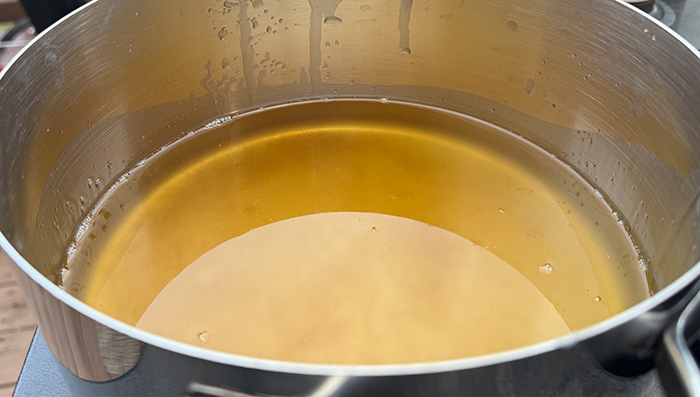
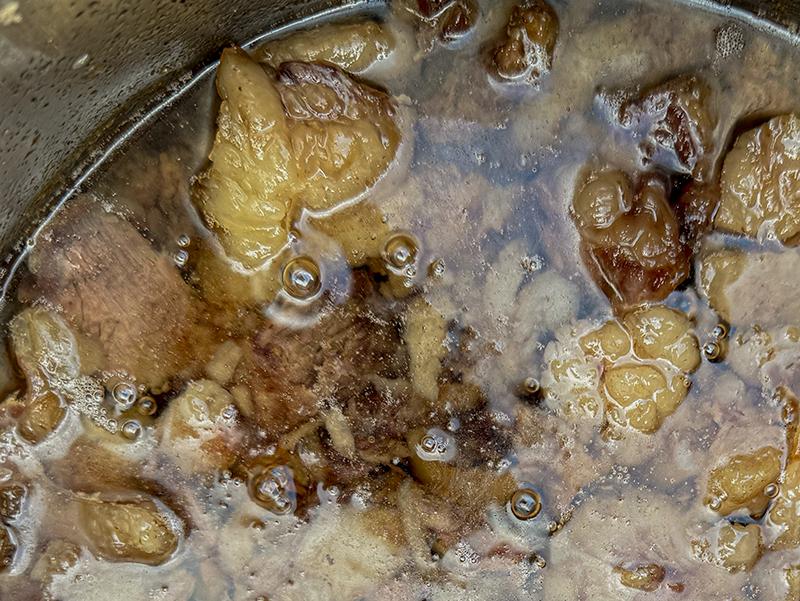
- Render. Most animal fats begin to liquefy, a.k.a. render, at about 130°F. You don’t want to render your fat too hot or it will extract flavors from any remaining meat and darken the fat. Many people render fats in pans or pots on top of the stove. It smells funky, so you might want to do this outdoors on your grill’s side burner or on a gas grill. You can also render fat in your grill or smoker next time you are doing a long, low and slow cook of ribs, brisket or pulled pork. You will get a bonus, smoky fat. Just put the chunks in a Dutch oven or a pan in the pit in the indirect zone and stir every 30 minutes or so. If you don’t want smoke flavor, cover it. It is easiest to control the temperature in a Dutch oven in your oven, or in a slow cooker. Either way, place your collected fat in a Dutch oven and, to prevent burning, add enough water to come about halfway up the fat. Place the pot on a burner set for medium heat or in an oven, smoker or grill set to 225°F or 250°F. Let it boil, lid off, stirring frequently with a wooden spoon to make sure it doesn’t stick to the bottom, until the water boils away, anywhere from 3 to 6 hours. Check it regularly. When the water is gone and you can see that the fat is what is left boiling in the pot, turn the heat to low (or keep a steady 225ºF temperature in a smoker or oven). You can stop now and pour off the fat, or let it go a bit longer until it fries the remaining meat and connective tissue.
- Clarify. When you have a pot full of golden liquid, scoop out and discard the solids. Pour the liquid through a fine mesh strainer or cheesecloth into a clean jar, screw on the lid, and refrigerate or freeze for months. Sometimes there will be cracklins and fried meat left behind that will beg to be munched on while watching the game. Or chop them up and sprinkle them on a salad or pasta dish.